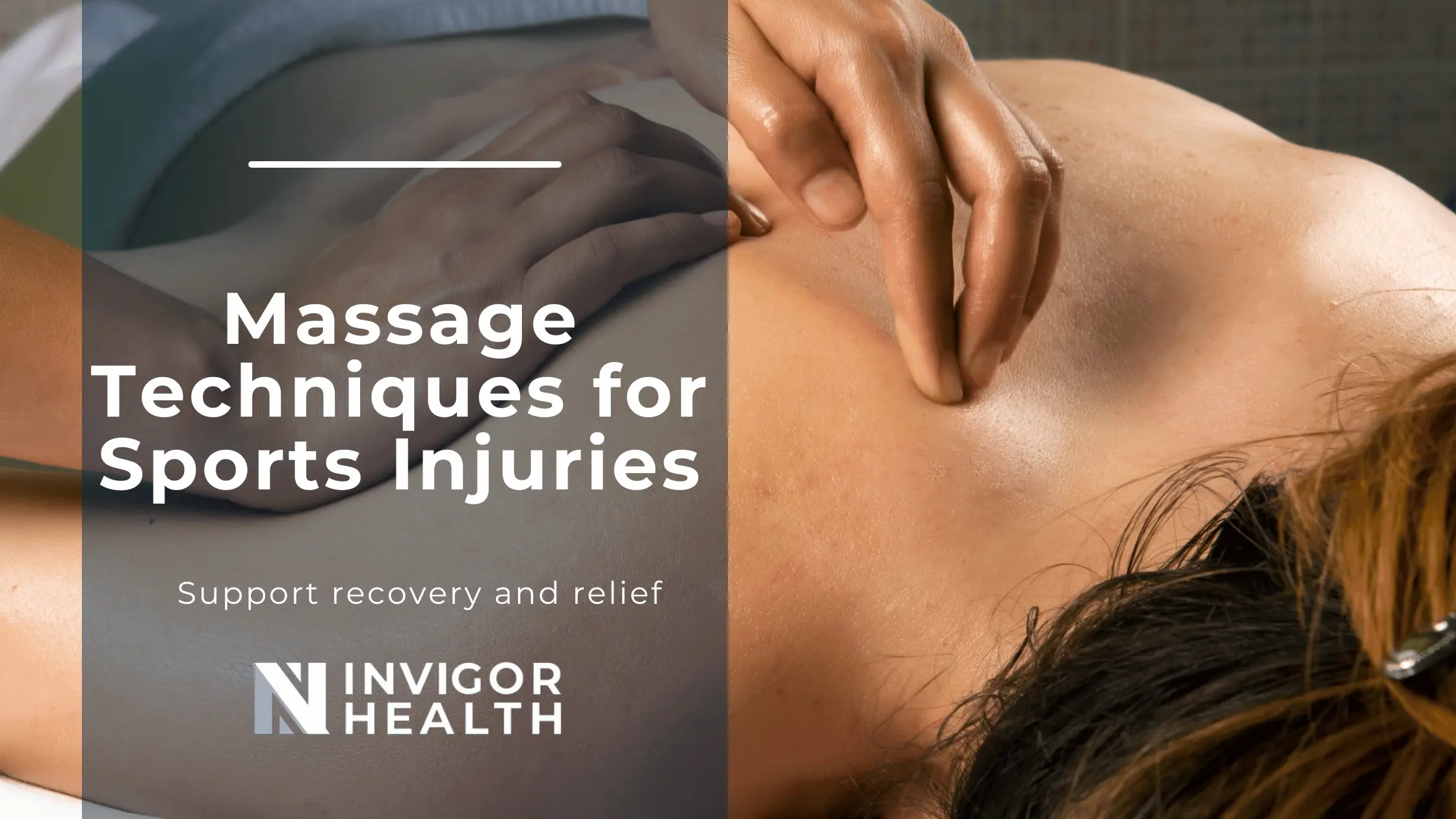
Sports, as engaging and good for health as they may be, still make an individual rather prone to sustaining injury. Thankfully, sports physiotherapy exists to aid in treating these injuries and helping with recovery.
With the proper massage therapy techniques, you can speed up your healing, reduce your downtime, and ease any pain and discomfort you may be feeling. With this, let’s break down some helpful methods for treating certain injuries you may sustain playing sports.
1 – Soft Tissue Release
Soft tissue release is a technique that aims to break up and release myofascial and soft tissue restrictions that are often tightened up from working out or from having an injury.
A therapist will manipulate your muscles and guide you through gentle stretches in order to ease up any congestion in your tissues and improve the elasticity of your muscles. These movements will help break up the soft tissue and help it regain normal flexibility and ease of movement.
2 – Deep Tissue Massage
Deep tissue massage is a technique used to relieve pain and support the recovery of tight or sore muscles. It works by targeting deeper layers of muscle and connective tissue to break up areas of tension that often develop from injuries, repetitive strain, or overuse.
The pressure used in this technique can feel more intense than a regular massage, but it is carefully controlled to help release tight muscle fibres and reduce long-standing tension. Therapists typically use their thumbs, fingers, knuckles, and elbows to apply slow, deep strokes and focused pressure on affected areas.
This approach helps improve blood flow, reduce muscle stiffness, and support the body’s natural healing process. For people dealing with ongoing muscle tightness or injury-related discomfort, deep tissue massage Maroubra treatments can help release tension, improve mobility, and support overall muscle recovery.
3 – Friction Technique
This technique largely involves using circular movements to apply friction to affected areas. Using a gliding, rubbing technique that rolls over the skin’s surface, the procedure increases blood flow and loosens up tight tissue.
This technique also helps break down scar tissue, relieve pain, and help in pain management. These are all very helpful, especially when you need to regain your range of movement.
When Do You Need Massage Therapy?
A lot of people are not sure when they should get a massage, especially if it is for sports-related injuries. First off, it is crucial to determine if you have an injury or if you are just sore from general movement.
You can always get a massage for general soreness, but it’s good to get massage therapy for sustained issues. Suppose you have pain, tight or stiff muscles, reduced flexibility, spasms and cramps, limited range of motion, and reduced strength and flexibility, then it may be time to consider physiotherapy as an option.
These signs are often caused by stress, injury, or intense exercise. And although it can be tempting to reach for pain relievers or over-the-counter medications, massage therapy works well to treat these ailments without ingesting anything.
Conclusion
The massage techniques mentioned above can help address common issues that affect areas such as the knees, shoulders, and ankles. The exact approach will depend on the affected muscles and tissues, but a trained massage therapist understands how to apply the right techniques to support recovery and reduce discomfort.
Today, professional massage treatments are more accessible, helping people manage muscle tension, sports injuries, and overuse pain more effectively.
At Invigor Health, our sports massage Bondi treatments are designed to relieve tight muscles, improve circulation, and support faster recovery so you can stay active and move with confidence.
