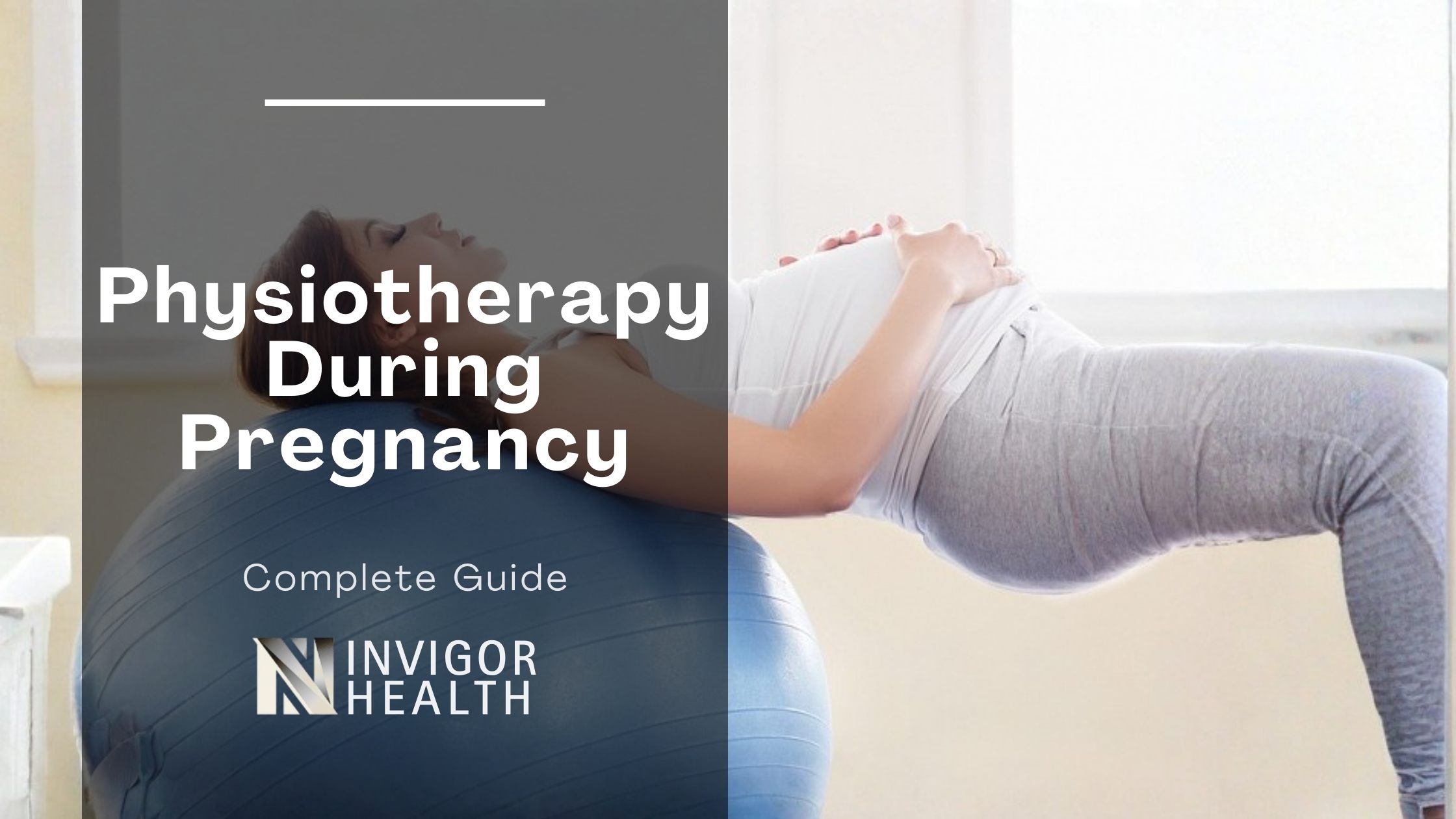
Pregnancy places new demands on the body. As your belly grows, your posture changes, your joints loosen, and your muscles work harder to support extra weight. These natural changes can cause discomfort, stiffness, and pain. Pregnancy physiotherapy offers a safe and effective way to manage these physical changes throughout all trimesters.
This guide explains why pain happens, what pregnancy physio involves, how maternity physio treatments work, and when to seek help from a qualified pregnancy physiotherapist. Everything is written with easy language and backed by evidence-based care.
Why Pregnancy Physiotherapy Matters
During pregnancy, the body produces relaxin, a hormone that softens ligaments to prepare for birth. While this helps your body adapt, it may also reduce joint stability around the pelvis, hips, and lower back. Combined with a shifting centre of gravity, abdominal expansion, and changes in breathing patterns, these shifts can lead to:
- Pelvic girdle pain
- Lower back pain
- Hip and glute discomfort
- Rib and thoracic pain
- Neck and shoulder tension
- Sciatica
- Carpal tunnel symptoms
- Pelvic floor weakness
Physiotherapy during pregnancy is safe, gentle, and tailored to each trimester. It helps you stay active, move with confidence, and reduce pain without medication.
Invigor Health’s team uses the best approach to physio for pregnancy, identifying root causes rather than treating symptoms alone. This method comes from Ryan Dorahy’s experience working with elite athletes and applying those assessment skills to prenatal care.
Common Pregnancy Pains Physiotherapy Can Treat
Pelvic Girdle Pain (PGP) & SPD
This is the common reason women seek physical therapy during pregnancy. Physio helps stabilise the pelvis and teaches safe movement patterns to reduce daily discomfort.
Lower Back Pain
As posture changes, the lower back takes more load. Prenatal physiotherapy uses hands-on treatment and strengthening to relieve pain.
Sciatica
A pregnancy Physio can help sciatica nerve irritation through hip mobility, soft tissue release, and posture correction.
Hip & Glute Pain
Weakness or tightness in these areas is common in pregnancy. Maternity physio helps restore balanced movement.
Rib & Thoracic Pain
Growing belly pressure can limit rib expansion. Pregnancy physical therapy helps improve rib mobility and breathing comfort.
Neck, Shoulder & Upper Back Tension
Rounded posture and breast changes make this common. Physio pregnancy care provides relief through manual therapy and postural retraining.
Carpal Tunnel Symptoms
Physical therapy for pregnancy includes nerve glides, ergonomic advice, and swelling management.
Abdominal Muscle Separation (DRAM)
Prenatal physical therapy teaches safe core engagement to protect your back and prepare for postpartum recovery.
What Happens in a Pregnancy Physiotherapy Session
Sessions are gentle, safe, and tailored to your stage of pregnancy. At Invigor Health Bondi Junction, your antenatal physiotherapy assessment may include:
1. Assessment
- Posture checks
- Movement screening
- Pelvic alignment assessment
- Breathing analysis
- Pelvic floor evaluation
Movement screening is a key part of our approach. It helps us identify what’s driving your symptoms and how to treat them effectively.
2. Hands-On Treatment
- Soft tissue release
- Gentle joint mobilisation
- Myofascial work
- Rib and spine mobility
- Stretch guidance
3. Exercise Therapy
- Pelvic stability strengthening
- Hip and glute activation
- Deep core breathing
- Postural strengthening
These form the foundation of pregnancy physiotherapy programs.
4. Guidance for Everyday Movement
As part of your guidance during pregnancy physiotherapy, your physiotherapist will guide you on how to move safely and comfortably throughout daily life. You’ll learn proper lifting techniques that protect your back and pelvis, along with better sitting and sleeping positions to reduce strain on your joints. Your physio will also show you how to use pillows for support, especially as your belly grows and your posture changes. If needed, they may recommend when a pelvic support belt can help, and explain the movements or positions to avoid during flare-ups so you can stay active without aggravating your symptoms.
Safe Exercises Physiotherapists Recommend During Pregnancy
Your physio may prescribe trimester-safe exercises like:
Pelvic Tilts
Gentle activation for lower back support.
Cat-Cow
Improves spine mobility and breathing comfort.
Hip Flexor Mobility
Helps reduce lower back and hip strain.
Glute Strengthening
A key part of physio pregnancy plans is to stabilise the pelvis.
Deep Core Breathing
Improves pressure control and supports abdominal separation.
Posture & Alignment Exercises
Simple habits that keep you comfortable as your body changes.
All exercises in prenatal physiotherapy are customised to your symptoms and trimester.
Trimester-by-Trimester Guide to Pregnancy Physio
First Trimester
- Early assessment to prevent long-term pain
- Gentle activation exercises
- Managing fatigue-related posture changes
- Pelvic floor awareness training
Second Trimester
- Targeting pelvic girdle and lower back pain
- Strengthening to support growing belly
- Hip, rib, and thoracic mobility
- Postural adjustments
Third Trimester
- Labour preparation strategies
- Breathing and pelvic floor relaxation
- Reducing sciatica and hip compression
- Safe movement for daily comfort
When to See a Pregnancy Physiotherapist
Book a pregnancy physio session if:
- Pain disrupts sleep
- Walking becomes difficult
- You feel clicking or sharp pain in the pelvis
- Rolling in bed is painful
- You have sciatica symptoms
- Rib or breathing discomfort appears
- You feel pressure or heaviness in the pelvis
- Wrist tingling or numbness develops
You do not need a referral to begin pregnancy physical therapy.
How Physiotherapy Helps Prepare for Labour
Many people don’t realise how effective pelvic floor therapy during pregnancy can be for labour preparation.
Your physio may teach:
- Pelvic floor relaxation
- Breathing patterns for labour
- Hip-opening mobility exercises
- Comfortable pushing strategies
- Positions to reduce pelvic strain
This combines prenatal physical therapy with functional education so you feel confident and prepared.
Physiotherapy vs Other Pregnancy Care Options
At Invigor Health, expectant mothers can access multiple safe care options:
Pregnancy Massage
Great for muscle tension and circulation.
Chiropractic Care
It can help with joint mobility and spinal alignment. Our chiropractors work closely with our physios to ensure safe and coordinated care.
Pregnancy Physiotherapy
Best for pain relief, movement correction, and long-term support.
This multidisciplinary approach ensures well-rounded care throughout pregnancy.
Postnatal Physiotherapy: Your Next Step After Birth
After giving birth, physical therapy for pregnancy recovery helps with:
- Pelvic floor rehabilitation
- Abdominal separation healing
- Lower back and hip recovery
- Safe return to exercise
- C-section scar mobility
- Breastfeeding posture support
Postpartum recovery is smoother when prenatal and postnatal physio care follow one another.
Why Choose Invigor Health for Prenatal & Maternity Physio
Invigor Health offers prenatal physio and pregnancy physical therapy across Bondi Junction and Maroubra, with a strong focus on personalised, evidence-based care.
We stand out because:
- We identify the root cause of pain—not just the symptoms.
- Each plan is personalised to your body and pregnancy stage.
- Sessions include hands-on treatment, mobility work, and strengthening.
- You get access to a multidisciplinary team, including physio, chiro, and remedial massage.
- Our clinics offer flexible appointment times and online booking.
- We provide long-term, practical solutions backed by real clinical experience.
Frequently Asked Questions
Is pregnancy physiotherapy safe?
Yes. All techniques used in pregnancy physical therapy and prenatal physiotherapy are safe when performed by trained professionals.
Do I need a referral?
No referral is needed for pregnancy physio.
Can physio help pelvic girdle pain?
Yes. It’s one of the most common issues treated in physical therapy for pregnancy.
How many sessions will I need?
This depends on your symptoms, trimester, and goals. Many women feel relief within a few sessions, but ongoing support may help as pregnancy progresses.
Can physiotherapy help with labour preparation?
Absolutely. Pelvic floor therapy during pregnancy and breathing strategies play a key role.
Is it the same as postpartum physio?
No. Prenatal physical therapy focuses on stability and comfort during pregnancy. Postnatal physio focuses on recovery, pelvic floor repair, and abdominal healing.
Book Your Pregnancy Physio Session
If pregnancy discomfort is affecting your daily life, sleep, or walking, a personalised physio for pregnancy plan can make a big difference.
Book your physio session at Maroubra and Bondi Junction clinic today for safe, tailored support throughout your pregnancy journey.
