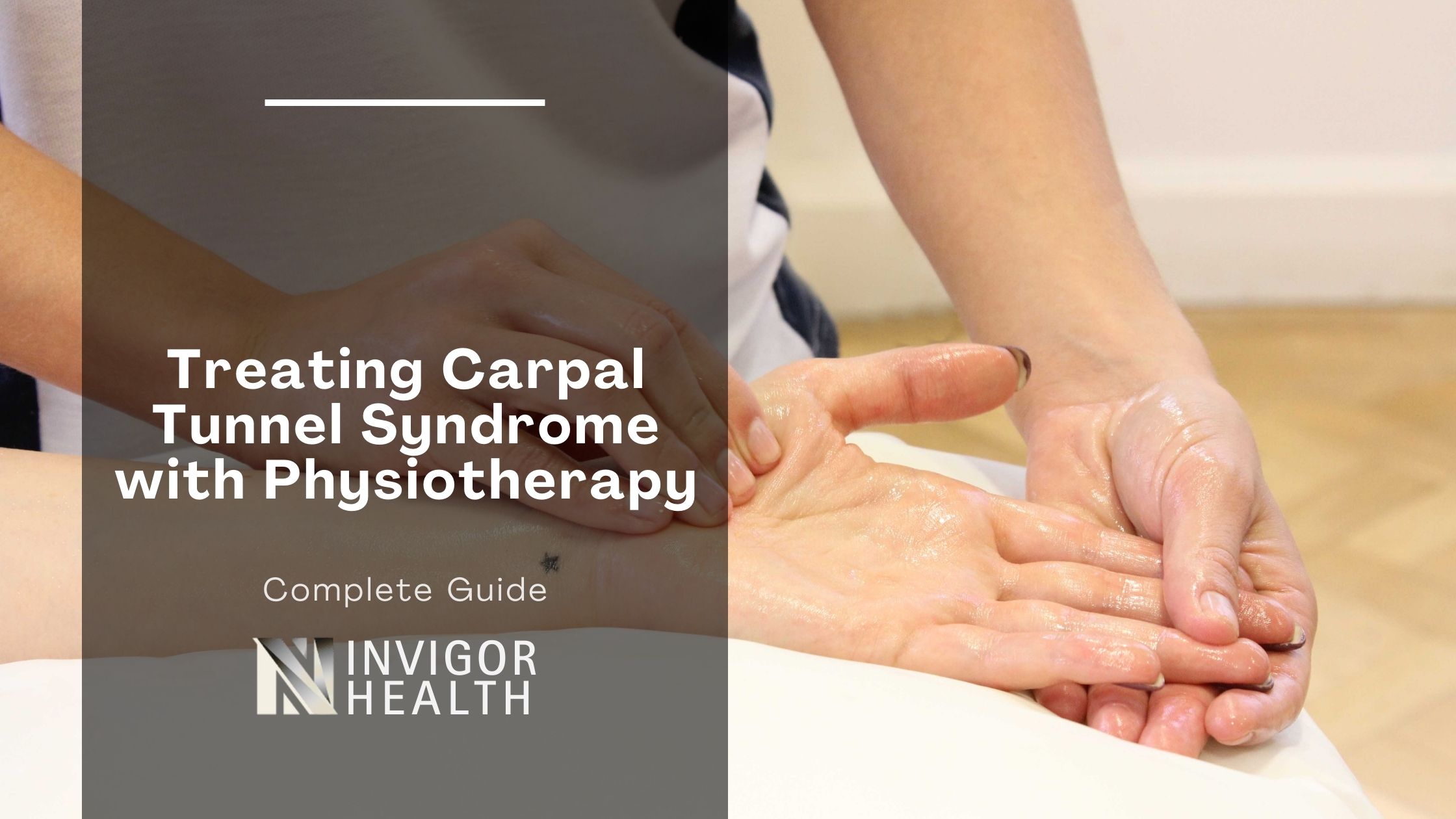
Many people think that carpal tunnel syndrome is simply a wrist problem. In reality, the carpal tunnel is a narrow passage at the base of the palm formed by bones and ligaments that protect important nerves and tendons. Carpal Tunnel Syndrome (CTS) occurs when the median nerve that runs through this tunnel becomes compressed. This pressure can lead to symptoms such as tingling, numbness, weakness in the hand, or persistent wrist pain. Physiotherapy plays an important role in managing these symptoms by helping reduce nerve irritation and improving the movement of the wrist and hand.
The symptoms of CTS often develop gradually. As swelling or irritation increases in the wrist, the pressure on the median nerve can worsen, leading to more noticeable discomfort. There is rarely a single cause of CTS, but certain factors may increase the risk. The condition is more common in women and may be associated with health issues such as diabetes, rheumatoid arthritis, hypothyroidism, or previous wrist injuries like sprains or fractures. Through physiotherapy treatment, exercises, and targeted techniques can help reduce strain on the wrist and support better hand function.
Many people believe that spending long hours typing is the main cause of CTS. While repetitive desk work can contribute, it is not the only factor. Repetitive hand movements, prolonged gripping, the use of vibrating tools, workplace strain, or other mechanical stress on the wrist can also increase the likelihood of developing this condition. A physiotherapist can assess these contributing factors and provide guidance on wrist positioning, activity modification, and rehabilitation strategies to help manage symptoms and prevent further irritation.
Carpal Tunnel Syndrome Symptoms
A physician may identify many distinct types of CTS, but the symptoms are essentially the same in all of them. You should see your doctor if any of these symptoms (or a combination of symptoms) ring true for you so that they can conduct a thorough evaluation and rule out any other potential health problems.
Among the most common signs and symptoms of carpal tunnel are:
- You may experience a sensation comparable to pins and needles, which you may get when your foot falls asleep. When doing daily tasks such as driving or using a phone, the condition may deteriorate and become uncomfortable.
- Over time, you may find it increasingly difficult to close your fist or grip items in your hands, and you may find yourself dropping things more often.
- That may seem different for everyone, but there is generally a lack of sensation or difficulty detecting whether objects are hot or cold. Another sensation that you may get is that your fingers are bloated.
- That may occur in conjunction with any of the symptoms listed above and can be difficult to ignore. CTS may be further advanced if you are experiencing difficulty moving your fingers or grasping anything and need more immediate therapy.
If left untreated, the symptoms of CTS may spread to other regions of the arm and shoulder, ultimately resulting in the atrophy of the muscles in the hand. There is a possibility that this will have an irreversible effect on mobility and feeling.
How Physiotherapy Is Used for Treating Carpal Tunnel Syndrome
As the first line of defence in the treatment of CTS, your doctor will be able to suggest the most appropriate course of action, especially if any underlying medical problems need to be treated as well.
When it comes to non-surgical treatment alternatives, a physiotherapist helps by creating a schedule of rehabilitation exercises that will help to stretch and strengthen the muscles and structures of the fingers and wrist. This routine will aid in the reduction of symptoms and the prevention of future damage to the affected region. Physiotherapists may also recommend alternative methods of doing everyday activities at work and home to prevent aggravating your carpal tunnel even more and delaying the healing process.

Final Thoughts
Carpal tunnel syndrome often develops gradually and may worsen over time if left untreated. The earlier it is identified, the better the chances of slowing the condition and preventing further nerve irritation. Physiotherapy in the early stages can help reduce pressure on the median nerve, improve wrist and hand function, and support a faster recovery.
At Invigor Health, our physiotherapists in Maroubra & Bondi assess the underlying causes of wrist and hand pain and provide targeted treatment to relieve symptoms and restore movement. With the right rehabilitation approach, many people can return to daily activities with less discomfort and improved function.
If you are experiencing numbness, tingling, or weakness in your hand, early treatment can make a significant difference.
Book your appointment with our Bondi Junction physiotherapy clinic today and get expert care for carpal tunnel and wrist pain.
