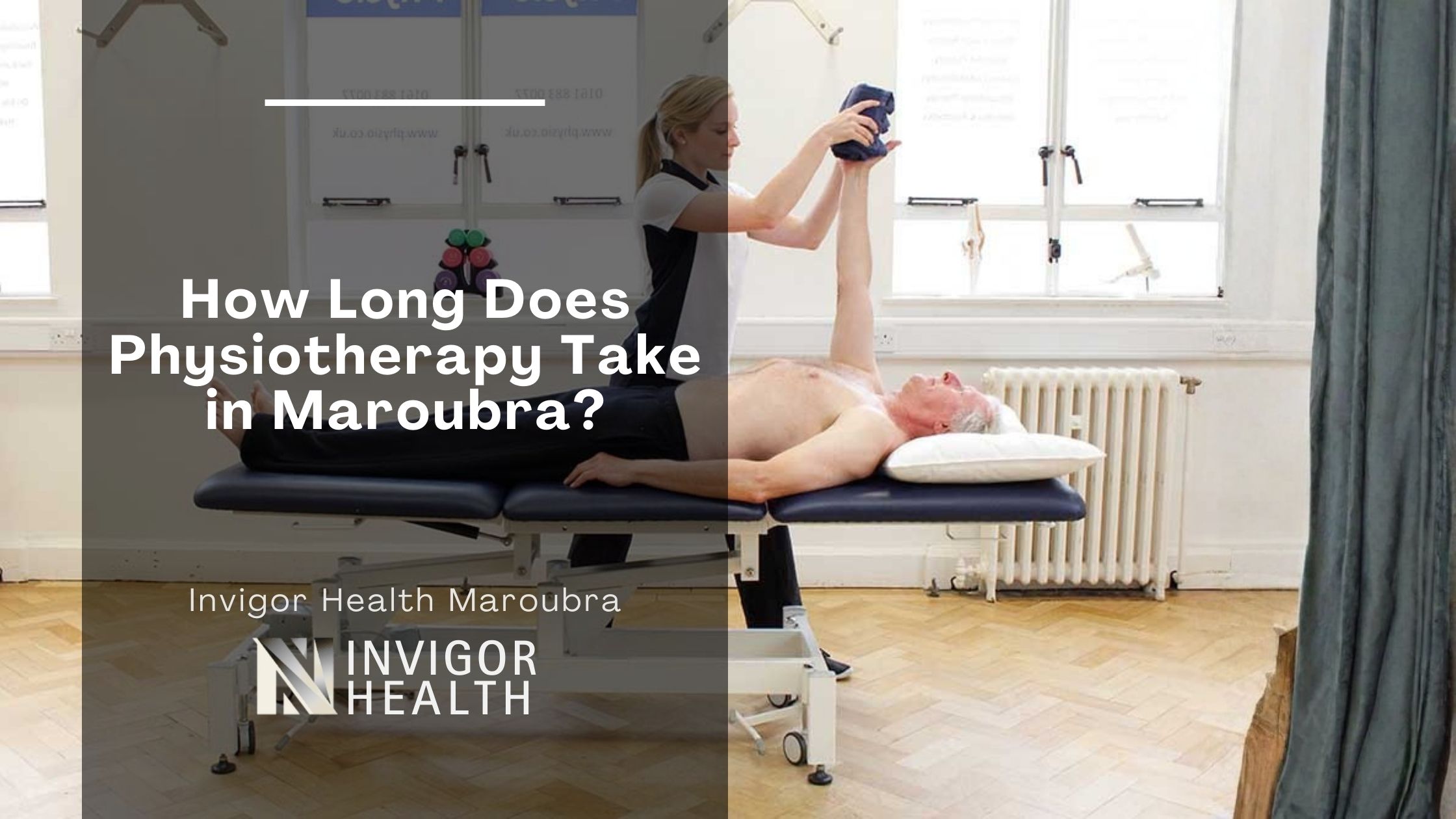
One of the most common questions: How long will physiotherapy take?
Whether you are recovering from surgery, managing chronic pain, or dealing with a recent injury in Maroubra, Sydney, you want clarity. You want to know when you can move comfortably again and return to normal life.
The honest answer is that recovery timelines vary. The cause of the problem, your general health, and how early you start physiotherapy in Maroubra all influence how long treatment takes.
Below is a clear breakdown of what to expect in specifc condition.
Acute Injury: How Long Does It Usually Take?
Acute injuries happen suddenly. This may include:
- An ankle sprain
- A muscle strain
- A flare-up of lower back pain
- A minor shoulder injury
For most mild to moderate acute injuries:
- Improvement often begins within 1–2 weeks
- Strength and mobility are restored over 3–6 weeks
- Full return to activity may take 4–8 weeks
Physical therapy is vital after an injury because the body rarely returns to full strength on its own. Swelling may settle, and pain may ease, but weakness, stiffness, and poor movement control often remain. Without proper rehabilitation, these hidden deficits increase the risk of re-injury.
Early physiotherapy assessment at our Maroubra clinic helps reduce swelling, restore movement, and prevent compensation patterns. When people wait too long, small injuries often turn into longer problems. You should expect to feel gradual improvement within the first few sessions if the condition is uncomplicated.
Chronic Pain: Why It Takes Longer
Chronic pain usually means symptoms have lasted longer than three months. It often starts as something mild, then slowly becomes part of daily life. You adjust how you move. You avoid certain activities. Over time, strength drops and stiffness increases.
At Invigor Health Maroubra, we support patients managing a wide range of ongoing pain conditions, including:
- Physiotherapy for back pain, including persistent lower back discomfort
- Physiotherapy for neck pain linked to posture or long-term stiffness
- Physio for shoulder pain, including rotator cuff and overhead limitations
- Physio for knee pain, including arthritis or long-standing joint irritation
- Physiotherapy for jaw pain related to tension and TMJ dysfunction
- Physiotherapy for nerve pain, including referred pain, tingling, or irritation

Chronic pain develops gradually. Muscles weaken. Joints stiffen. The nervous system becomes more sensitive. Confidence in movement reduces.
Recovery takes structure and consistency. Most long-standing conditions require:
- Strength rebuilding
- Mobility restoration
- Load tolerance progression
- Movement retraining
- Education around pain management
In many cases:
- Early changes begin within 3–4 weeks
- Strength and control improve over 6–12 weeks
- Long-term progress continues beyond three months
This does not mean endless weekly treatment. It means guided rehabilitation with clear milestones.
Post-Surgery Rehabilitation: What Timeline Is Realistic?
Post-surgical physiotherapy follows clearer phases.
Common surgeries we manage include:
- Knee replacement
- Hip replacement
- Shoulder reconstruction
- Ankle reconstruction
The pain after surgery and recovery timelines vary by surgery type, but general patterns look like this:
Weeks 1–2
Focus on swelling control and gentle movement.
Weeks 3–6
Strength building begins. Walking improves. Mobility increases.
Weeks 6–12
More advanced strength and balance work. Functional tasks improve.
3–6 Months
Higher-level strength and endurance return.
After joint replacement, many patients continue to improve for up to a year.

Starting post-surgery physiotherapy in Maroubra early makes a major difference. Delayed rehab often leads to stiffness and prolonged weakness.
When Should You Start Feeling Better?
This depends on the condition, but there are general expectations.
You should usually notice:
- Reduced pain intensity within the first few sessions
- Improved movement within 2–3 weeks
- Increased strength over 4–6 weeks
If pain does not change at all after several sessions, the plan may need adjustment.
Clear communication between you and your physiotherapist ensures steady progress.
Why Do Rehab Timelines Differ So Much?
Two people with the same diagnosis may recover at different speeds.
Several factors influence recovery:
- Age
- General health
- Fitness level
- Sleep quality
- Consistency with exercises
- Severity of the condition
- Previous injuries
For example:
Someone with mild acute back pain may recover within weeks. Someone with long-standing arthritis may need months of progressive strengthening.
This does not mean one person is weaker. It simply reflects different starting points.
How Many Sessions Will I Need?
At Invigor Health Maroubra physio clinic, the physio sessions you need depend on your goals.
Some acute injuries improve within 3–5 visits. Chronic conditions may require 6–10 sessions over several months. Post-surgical rehab often follows a structured program for 8–12 weeks or more.
We avoid endless “maintenance” treatment. Instead, we aim to:
- Identify the root cause
- Restore strength and mobility
- Provide clear home programs
- Reduce reliance on ongoing therapy
The goal is independence, not dependency.
Signs You Are Progressing Well
Recovery does not mean pain disappears overnight. Instead, look for:
- Reduced morning stiffness
- Better tolerance to activity
- Improved strength on one side
- Increased walking or standing endurance
- Fewer flare-ups
Progress often feels gradual. Consistency makes the biggest difference.
The Last Words:
Physiotherapy timelines vary because injuries vary. Acute injuries may improve within weeks. Chronic pain often requires longer rehabilitation. Post-surgery recovery follows structured phases that extend over months.
What matters most is early intervention, clear planning, and consistent progression.
If you want clarity about your recovery timeline, a detailed assessment at our physio clinic in Maroubra can outline realistic expectations and the next practical steps.
