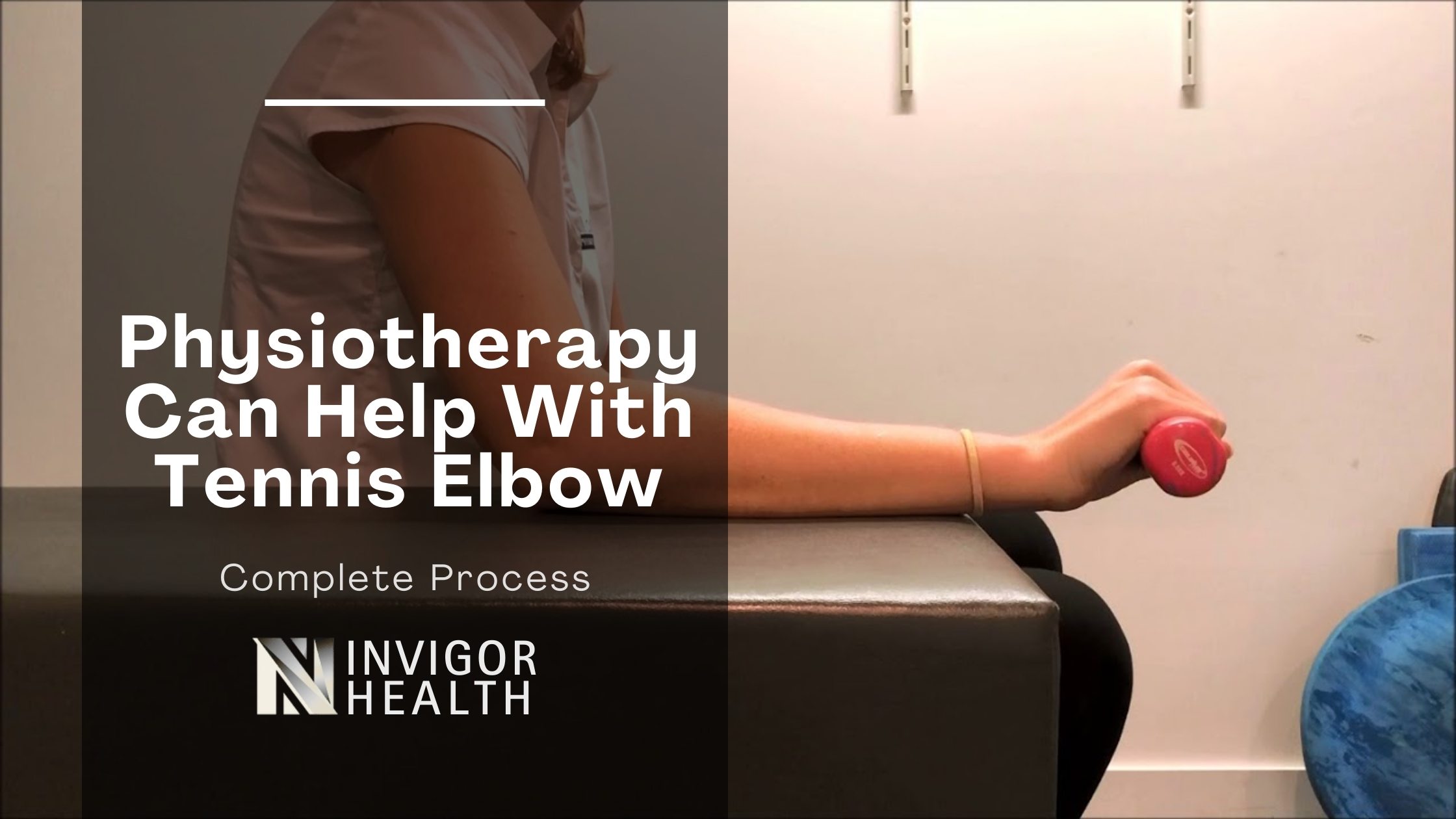
Tennis elbow is a frustrating and painful overuse injury that affects people far beyond the tennis court. Whether you lift weights, play racquet sports, work at a desk, or use your hands repetitively for work, the pain can slowly build until simple tasks like gripping a coffee cup become difficult.
This is where tennis elbow physiotherapy becomes essential. Physiotherapy is the most effective, evidence-based way to restore tendon strength, calm pain, and prevent the condition from becoming a long-term issue.
What Is Tennis Elbow?
Tennis elbow, also known as lateral elbow tendinopathy, is caused by repeated loading of the wrist and forearm muscles, especially the extensor carpi radialis brevis (ECRB). These muscles attach to the outside of the elbow, and when overused, the tendons become irritated and painful.
This injury commonly affects:
- Racquet sport players
- Weightlifters
- Office workers with poor posture
- Tradespeople with repetitive hand tasks
- Parents lifting children
- Gym members performing gripping-based movements
Over time, the tendon loses strength and becomes sensitive to normal movement.
Symptoms of Tennis Elbow You Should Not Ignore
Typical symptoms of tennis elbow include:
- Pain on the outside of the elbow
- Pain when gripping or lifting
- Weakened grip strength
- Forearm tightness
- Pain when typing, lifting weights, or opening jars
If symptoms linger for more than a week or two, it may be time to begin tennis elbow physical therapy before the condition becomes chronic.
Why Physiotherapy Is the Most Effective Treatment
Physical therapy for tennis elbow is the gold standard because it targets the underlying cause, not just the pain. Invigor Health focuses on progressive tendon loading, improving movement patterns, and restoring strength to ensure lasting recovery.
Physiotherapy is effective because it:
- Reduces tendon sensitivity
- Improves tissue capacity through strengthening
- Builds resilience for sport and daily tasks
- Corrects gripping or wrist mechanics that overload the elbow
- Supports faster, long-term healing
This approach reflects Invigor Health’s evidence-based, long-term physiotherapy philosophy.
How Physiotherapists Diagnose Tennis Elbow
During your assessment, your physiotherapist will evaluate:
- Wrist extension strength
- Grip strength
- Functional tasks like lifting and typing
- Elbow mobility
- Tendon response to loading
- Sport or work mechanics
Because different activities trigger pain differently, the right pt for tennis elbow starts with identifying the exact movements causing overload.
Evidence-Based Physiotherapy Treatments for Tennis Elbow
Physiotherapy combines several techniques to reduce pain, improve strength, and restore tendon function.
Manual Therapy to Reduce Pain and Improve Mobility
Your physiotherapist may use:
- Soft tissue release
- Joint mobilisation
- Myofascial techniques
- Gentle loading to prepare the tendon
These methods work alongside exercise to support early pain reduction and improved mobility.
Targeted Strengthening & Tendon Loading (The Core of Recovery)
The most effective tennis elbow PT exercises focus on progressive tendon strengthening. This includes:
Isometric exercises
Reduce pain while activating the tendon safely.
Eccentric exercises
Build tendon strength and resilience.
Functional strengthening
Retrains gripping, lifting, and wrist movements.
These exercises for elbow tendonitis are tailored to your level and gradually progress to rebuild long-term tendon capacity.
Exercise Rehabilitation Programs
Your physiotherapist will design a personalised program of tennis elbow physiotherapy exercises, ranging from early-stage pain control to advanced strength training. Every phase is structured to match your recovery timeline and lifestyle demands.
Activity & Technique Modification
Many people develop tennis elbow due to repetitive movement patterns. Your physiotherapist may adjust:
- Desk posture
- Keyboard and mouse setup
- Racquet grip and swing mechanics
- Gym techniques (deadlifts, rows, kettlebells, cleans)
- Work-related lifting or gripping tasks
These adjustments reduce stress on the tendon while it heals.
Supportive Therapy Options
Your physio may also use tennis elbow supportive therapy to complement strengthening. Techniques may include:
- Taping for temporary support
- Bracing during heavier tasks
- Heat to improve circulation
- Ice for short-term irritation
Supportive therapy helps relieve symptoms but always sits alongside load-based rehab.
How Long Does Tennis Elbow Take to Heal With Physiotherapy?
Recovery time varies based on severity:
- Mild cases: 4–6 weeks
- Moderate cases: 6–12 weeks
- Chronic cases: 3–6 months
Patients often recover faster with structured physical therapy for tennis elbow, especially when exercises are progressed correctly.
Common Mistakes That Slow Down Recovery
Avoid these to prevent setbacks:
- Resting completely for weeks
- Relying solely on braces
- Returning to heavy lifting early
- Ignoring poor desk or lifting technique
- Attempting random home exercises without a plan
Tendon recovery requires gradual, progressive loading—not total rest.
Effective Exercises Your Physio May Prescribe
Common tennis elbow PT exercises include:
- Isometric wrist extension holds
- Eccentric wrist extensor curls
- Supination strengthening
- Wrist extension/flexion resistance work
- Grip strengthening drills
- Forearm mobility exercises
Because tendons respond differently across individuals, these exercises must be progressed under professional guidance.
When to See a Physiotherapist
Seek an assessment if you have:
- Persistent elbow pain
- Loss of grip strength
- Difficulty lifting objects
- Pain during gym training
- Symptoms lasting longer than 1–2 weeks
Invigor Health provides tennis elbow physiotherapy at both Bondi Junction and Maroubra clinics, with hands-on care and personalised exercise rehabilitation.
Frequently Asked Questions
Is physiotherapy good for tennis elbow?
Yes. Physiotherapy is the most effective treatment for tennis elbow because it restores tendon strength, reduces pain, and improves movement patterns.
What are the best exercises for elbow tendonitis?
Isometric holds, eccentric wrist curls, grip-strengthening drills, and forearm strengthening are most effective.
How long does recovery take with physical therapy?
Most people recover within 6–12 weeks, depending on how early they begin treatment and how well they follow exercises.
Can I continue working out with tennis elbow?
Yes, but training load must be modified. Your physio will guide what movements to avoid and what you can safely continue.
Does supportive therapy help?
Supportive therapy, such as taping or bracing can reduce symptoms in the short term, but strengthening is still the core solution.
Final Thoughts
Tennis elbow is painful and limiting, but completely treatable with the right physiotherapy approach. Through targeted strengthening, supportive therapy, and biomechanical correction, you can regain full function and prevent the injury from returning.
Whether you’re an athlete, tradie, office worker, or gym-goer, Invigor Health’s expert team is ready to guide you with personalised physical therapy for tennis elbow that delivers real, lasting results.
Book your session at Bondi Junction or Maroubra today and start rebuilding a pain-free, stronger elbow.
