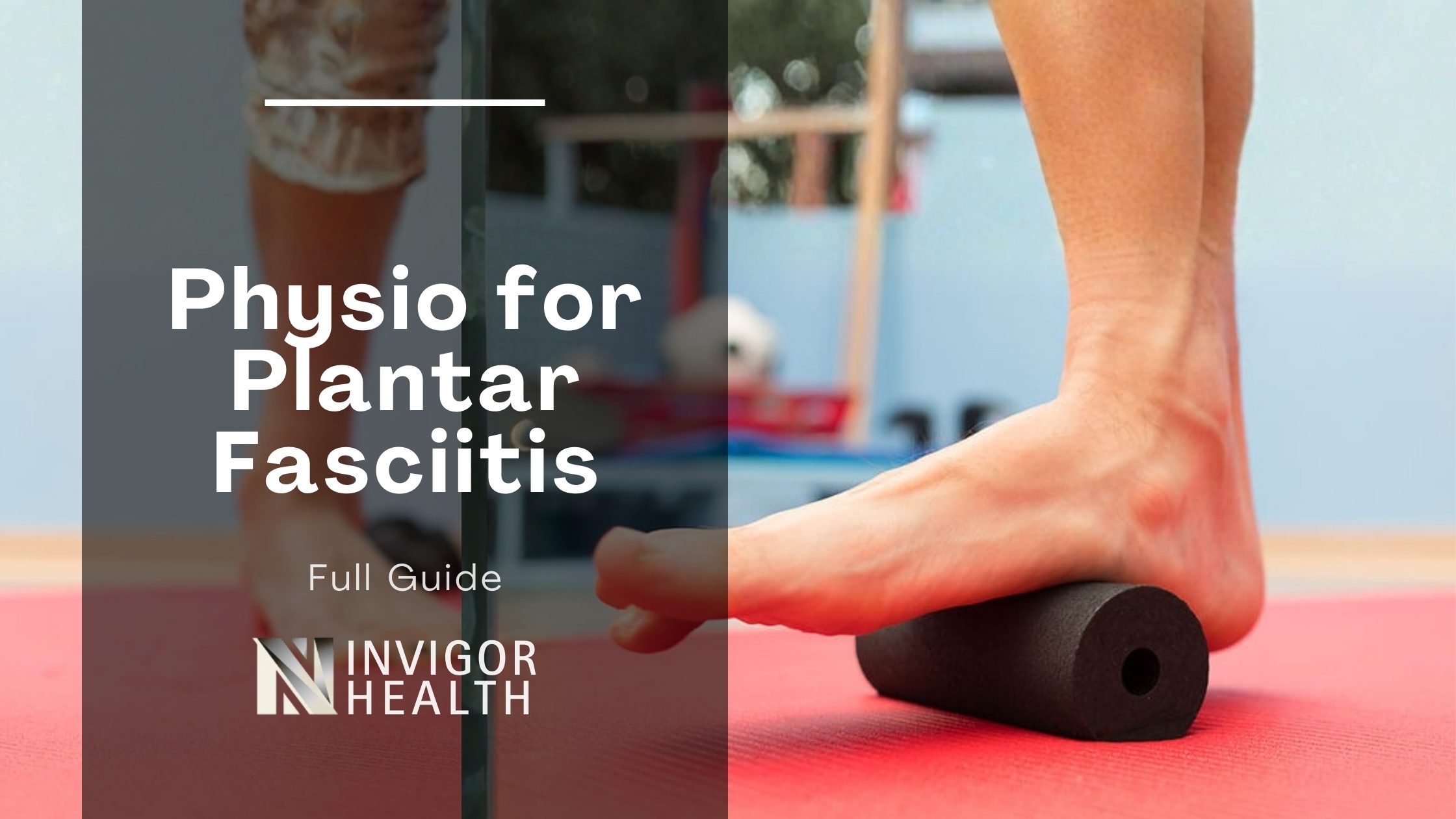
Plantar fasciitis is one of the most common causes of persistent heel pain, affecting both active individuals and people who spend long hours on their feet. The condition develops when the thick band under your foot—the plantar fascia—becomes irritated from overuse, tight calves, poor foot mechanics, or lack of ankle mobility. If you’ve noticed sharp heel pain in the morning, discomfort during long walks, or aching after standing, you may already be dealing with plantar fasciitis. This is where plantar fasciitis physical therapy makes the biggest difference. Physiotherapy remains the most effective long-term approach, helping reduce pain quickly while correcting the underlying cause so the injury doesn’t keep returning.
At Invigor Health, we treat plantar fasciitis using a combination of plantar fasciitis physiotherapy, strength-led rehabilitation, hands-on treatment, and personalised movement correction. Whether you’re an active patient or an older adult managing chronic heel pain, our approach is tailored to your lifestyle, foot mechanics, and long-term goals.
Understanding Plantar Fasciitis & Why It Happens
Plantar fasciitis occurs when the plantar fascia experiences repeated loading, eventually leading to irritation and micro-tears. Most people describe their pain as sharp during the first steps in the morning or after sitting for long periods. The tissue stiffens overnight, and when stretched suddenly, pain flares instantly. While the term “heel spur” is often mentioned, the majority of plantar fasciitis cases don’t involve an actual spur—it’s the irritated fascia causing the pain. This condition rarely improves with rest alone, which is why plantar fasciitis treatments must focus on improving strength, mobility, and load tolerance through targeted physiotherapy.
How Physiotherapy Helps Heal Plantar Fasciitis
The first step in effective plantar fasciitis treatment is understanding why your plantar fascia is under stress. Physiotherapists carry out a comprehensive assessment that includes foot posture analysis, gait evaluation, calf flexibility testing, and ankle dorsiflexion measurement. Many patients have limited ankle mobility, weak foot intrinsic muscles, or tight calves, making the plantar fascia work harder during walking and running. These insights allow us to design an individualised rehabilitation plan. This is the foundation of plantar fasciitis physio, where the treatment is guided by your movement patterns, current activity levels, and the severity of your heel pain due to plantar fasciitis.
Hands-On Therapy for Pain Relief
Hands-on plantar fasciitis therapies help ease pain by reducing stiffness and improving the mobility of the fascia, ankle, and surrounding tissues. Manual therapy may include soft-tissue release, myofascial techniques, calf and Achilles massage, and joint mobilisation of the ankle and midfoot. This relieves pressure on the plantar fascia and reduces morning pain. Taping can also be used to temporarily unload the fascia, offering immediate short-term relief while you begin strengthening. These techniques form a major part of physical therapy for plantar fasciitis, especially when pain is sharp or limits your daily movement.
Strength-Led Rehabilitation: The Core of Long-Term Recovery
The most crucial part of plantar fasciitis physiotherapy is progressive strengthening. The plantar fascia responds extremely well to controlled loading, and building strong calves and foot muscles reduces the strain on the heel during movement. A physiotherapist structures a gradual strengthening program that may include plantar fascia loading, calf raises, intrinsic foot strengthening, balance training, and “short-foot” exercises to stabilise the arch. These exercises improve the way your foot absorbs impact, making walking and running easier and less painful. Strengthening also prevents the condition from returning, which is why it sits at the center of all successful plantar fasciitis treatments.
Stretching & Mobility Work to Reduce Tension
Tight calves and limited ankle mobility increase tension on the plantar fascia. Targeted stretching helps restore normal mechanics. Your physio guides you through gentle but effective stretches such as calf stretches, plantar fascia stretches, and toe extension movements. For many patients, improving flexibility significantly reduces the classic morning pain. Mobility work ensures that the plantar fascia does not become overloaded again, making it an essential part of comprehensive plantar fasciitis physical therapy.
Footwear Advice, Load Management & Recovery Planning
Shoes play a larger role in plantar fasciitis treatment than most people realise. Worn-out footwear, inadequate cushioning, or improper arch support can worsen heel pain. Your physiotherapist helps you adjust your footwear during recovery and teaches you how to select shoes that match your foot posture—whether you have flat feet, high arches, or a neutral gait. Load management is equally important. This includes modifying your walking or running volume, reducing impact-based workouts temporarily, and gradually reintroducing activities without flaring symptoms. These steps form the lifestyle foundation of plantar fasciitis therapies, helping the fascia recover without unnecessary strain.
Gait Retraining & Movement Correction for Runners
For active individuals—especially runners—incorrect gait mechanics can place excessive load on the plantar fascia. Plantar fasciitis physio often includes gait retraining to improve stride efficiency, cadence, foot placement, and push-off mechanics. This helps reduce repetitive strain on the fascia while improving performance. If you train regularly, increase mileage quickly, or perform high-impact workouts, movement correction becomes essential for long-term results. This is especially effective for our Bondi Junction patients who lead active lifestyles and frequently experience running-related foot and heel pain.
Support for Older Adults & Chronic Heel Pain Cases
Plantar fasciitis often appears alongside other lower-limb issues, and addressing them is essential for a full recovery. At Invigor Health, we not only treat heel pain but also support a wide range of injuries that can be treated with physiotherapy, including Achilles tendinopathy, ankle sprains, calf strains, metatarsalgia, tibialis posterior dysfunction, and general foot or ankle stiffness. Managing these related injuries helps correct biomechanics, reduce strain on the plantar fascia, and improve long-term movement and comfort.
Why Choose Invigor Health for Plantar Fasciitis Physiotherapy?
At Invigor Health, our approach blends sports physiotherapy principles, long-term rehabilitation strategies, and personalised treatment tailored to each patient. Ryan Dorahy’s background with elite athletes shapes how we manage plantar fasciitis physiotherapy, emphasising progressive loading, movement correction, and evidence-based care. Whether you’re dealing with new heel pain, chronic discomfort, or ongoing stiffness that limits your walking or running, our team builds a plan that tackles the root cause—not just the symptoms. With locations in Bondi Junction and Maroubra, we support both active individuals and older adults with complete, high-quality physical therapy for plantar fasciitis that aims for long-term results.
Fix your heel pain for good. Book your plantar fasciitis physio session now.
Frequently Asked Questions
Can physio fix plantar fasciitis?
Yes. Physiotherapy is one of the most effective ways to treat plantar fasciitis because it reduces pain quickly and builds long-term strength so the condition doesn’t return.
How long does plantar fasciitis take to heal?
Mild cases often improve within 4–6 weeks with consistent treatment, while chronic cases may take longer depending on mobility, strength, and foot mechanics.
Should I rest or keep walking with plantar fasciitis?
Complete rest isn’t recommended. Gentle walking is fine, but long walks, hard surfaces, and high-impact exercises should be adjusted until pain settles.
What are the best exercises for plantar fasciitis?
Calf raises, plantar fascia loading, foot intrinsic strengthening, and calf stretches. A physio prescribes exercises based on your symptoms and movement patterns.
Do I need orthotics for plantar fasciitis?
Not always. Many people recover fully with physiotherapy alone. Orthotics can provide temporary support but shouldn’t replace strengthening.
