Side leg raises exercise
What Is the Side Leg Raises Exercise?
The side leg raises exercise is a controlled lower-limb movement where one leg lifts out to the side while the body stays stable. You may see it described as a side leg raise, side leg lift exercise, lateral leg raise, or side-lying leg raises. It can be performed lying on your side or in standing, depending on balance and strength.
According to Sydney physiotherapists, side leg raises are used to retrain hip control and movement quality. Unlike gym-style leg raises workouts, the focus is not on fatigue or intensity. Instead, the goal is precise activation of key hip muscles so that daily tasks like walking, standing, and climbing stairs place less strain on the joints.
If exercises alone are not enough, our physiotherapists in Bondi Junction and Maroubra can assess your condition and tailor treatment to your needs.
Muscles Worked During Side Leg Raises
When people ask what do side leg raises work or what muscles do leg raises target, the answer is mainly about hip stability rather than size or power.
The primary muscle involved is the gluteus medius, which is why searches like side leg raises muscles worked and side leg lifts muscles worked are so common. This muscle keeps the pelvis level when you stand on one leg.
Secondary muscles include:
- Gluteus minimus
- Deep hip stabilisers
- Core muscles that help control trunk position
In standing variations such as standing side leg raises, the stabilising leg also works through the foot, ankle, and knee, which is why standing side leg raises differ slightly from lying versions.
Benefits of Side Leg Raises
The main side leg raises benefits are functional, not cosmetic. This exercise helps the body move better rather than simply feeling harder.
Key benefits include improved hip stability, better pelvic control during single-leg tasks, and enhanced balance. By improving how the hip controls movement, side leg raises can reduce unnecessary load on the knees and lower back.
For people wondering what does side leg raises do in everyday life, the answer is improved control during walking, running, standing, and changing direction.
How to Do Side Leg Raises Correctly
To perform a side-lying leg raise, lie on your side with your body in a straight line. The bottom knee can be slightly bent for comfort. The top leg stays straight and in line with your body.
Gently brace your abdominal muscles. Slowly lift the top leg out to the side without rolling your pelvis or leaning backwards. The movement should be smooth and controlled. Lower the leg with the same control. Breathe normally throughout.
For leg raises, standing or standing leg lifts, stand tall, hold a support if needed, and lift one leg sideways while keeping your trunk upright. This is often used once basic control is established.
A slow tempo or short leg raise hold is often more effective than high repetitions.
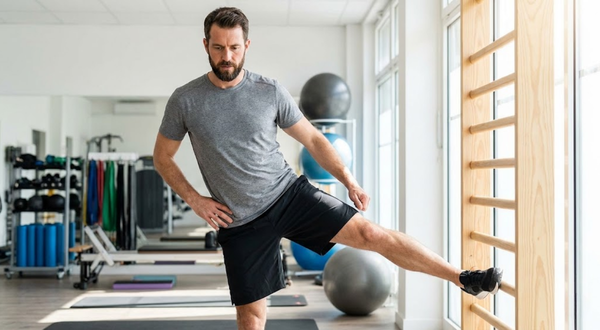
If exercises alone are not enough, our physiotherapists in Bondi Junction and Maroubra can assess your condition and tailor treatment to your needs.
Common Mistakes to Avoid
Common issues include rolling the pelvis, swinging the leg using momentum, lifting too high, or letting the foot rotate excessively. These compensations reduce the benefit and change which leg raises muscles worked are actually doing the task.
Variations of Side Leg Raises
Side leg raises can be adapted based on ability and rehabilitation stage. A bent-knee version reduces load and suits early rehab. A straight-leg side leg extension increases demand.
Standing versions, such as standing side leg raises or side-to-side leg raise add balance and weight-bearing control. These are progressions, not replacements, for lying exercises.
There is no need for advanced or gym-style leg lift workout variations in rehabilitation.
Who Should Use Side Leg Raises
Side leg raises are suitable for many people, including rehab patients recovering from hip, knee, or ankle injuries, older adults working on balance, and desk workers with reduced hip activation.
They are also used in post-surgical programs after hip or knee procedures, and occasionally for recreational athletes who need better pelvic control. Questions like do side leg lifts make your hips bigger are common, but in rehab, the aim is control and support, not muscle size.
When Side Leg Raises May Not Be Appropriate
Side leg raises may not be suitable if they cause sharp hip or groin pain, or if pain increases during or after the exercise. In early acute injury phases, or immediately after surgery, they should only be used when appropriate for the healing stage.
Assessment helps determine whether doing leg raises at home is safe for your situation or if another exercise is more suitable.
If exercises alone are not enough, our physiotherapists in Bondi Junction and Maroubra can assess your condition and tailor treatment to your needs.
Side Leg Raises in Physiotherapy-Led Rehabilitation
In physiotherapy, side leg raises are prescribed based on movement assessment, not as a generic leg raise exercise. Physiotherapists adjust range, load, position, and progression to match recovery needs.
At Invigor Health, side leg raises are commonly integrated into rehab programs for patients in the Bondi Junction Physio clinic and the Maroubra Physio clinic. They are used alongside other exercises to restore hip control, improve balance, and support a safe return to daily activity.
The key difference between unsupervised leg raises standing and physio-guided rehab is precision and progression based on how your body responds.
Exercise For You
Strengthening Exercises
Flexibility and Mobility Exercises
Stability and Balance Exercises
Rehabilitation and Injury-Specific
Posture and Core Activation
Neurological Rehabilitation Exercises
- Rowing Machine
- Tai Chi for Balancing
- Heel-to-Toe Walking
- Motor Control Exercises
- Coordination Drills
Post-Surgical Rehabilitation
- Shoulder External Rotation
- Hip Replacement Exercises
- Knee Replacement Rehabilitation
- Ankle Mobilizations
Breathing and Relaxation Exercises
- Diaphragmatic Breathing
- Pursed Lip Breathing
- Box Breathing
Pilates and Stability Exercises
- Pilates Leg Circles
- Pilates Roll-Ups
- Plank Variations
- Bridge with Marching
Frequently Asked Questions
What are side leg raises good for?
Side leg raises are used to improve hip stability, pelvic control, and balance. They help support proper movement during walking, standing, and single-leg activities, and are commonly used in rehabilitation programs.
How often should you do side leg raises?
Side leg raises are typically performed two to three times per week. Frequency depends on your injury history, current strength, and overall rehabilitation goals.
Do side leg raises grow glutes?
Side leg raises primarily train hip stability and muscle control rather than increasing muscle size. In physiotherapy, the focus is on improving movement quality, not building muscle bulk.
What are common mistakes in side leg raises?
Common mistakes include rolling the pelvis, lifting the leg too high, using momentum, or rotating the foot. These errors reduce effectiveness and shift the load away from the target hip muscles.