Patella Mobilisations (For Knee Joint Rehabilitation)
Knee pain affects many people across Sydney. It is common in active adults, athletes, and people recovering from surgery. It also affects those who spend long hours sitting, standing, or walking.
In many cases, knee pain is linked to reduced patellar mobility rather than muscle weakness alone. When the kneecap does not move well, pressure builds inside the patellofemoral joint. This often shows up as pain during stairs, squatting, or walking.
Patellar mobilizations focus on restoring this small but essential movement. They are a form of knee joint mobilization used in physiotherapy to reduce stiffness, improve tracking, and support normal knee function. These techniques are widely used in clinics in Bondi Junction and Maroubra for both sports injuries and post-surgical rehabilitation.
What Are Patella Mobilisations?
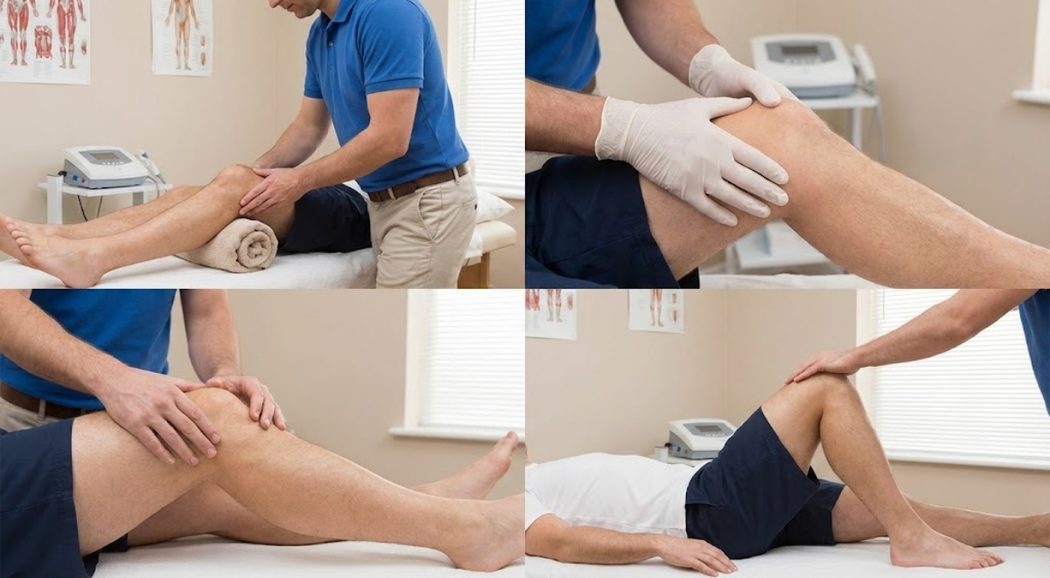
Patella mobilization, also known as patellar mobilization, refers to controlled movements of the kneecap on the thigh bone. In physiotherapy, this sits under the broader concept of mobilisation in physiotherapy for knee pain, which aims to restore joint movement and reduce pain.
If exercises alone are not enough, our physiotherapists in Bondi Junction and Maroubra can assess your condition and tailor treatment to your needs.
Patella mobilisations differ from general knee mobilization exercises. The knee itself may stay relaxed while the patella glides in specific directions. This helps address stiffness that regular strengthening or stretching cannot reach.
In simple terms, patellar mobilisations improve how the kneecap moves so the knee can bend and straighten with less strain.
Why the Patella Is Important
The patella sits within the patellofemoral joint. It moves up and down and slightly side to side as the knee bends and straightens.
This movement supports knee extension and flexion. Tasks such as rising from a chair, climbing stairs, squatting, or walking downhill rely on smooth patella glide.
When patellar mobility reduces, the patella may not track evenly. This can increase joint stress, irritate cartilage, and contribute to stiffness or pain. Restoring this glide through patellofemoral mobilization can improve comfort and movement quality.
Who Benefits Most
Athletes and active adults
Running, jumping, and gym training place repeated load on the patellofemoral joint. Patella glides and related knee mobilisations may help when stiffness or tracking issues contribute to pain.
Desk workers and low movement routines
Prolonged sitting can affect knee mechanics. Many people notice pain when returning to stairs or sports due to reduced joint mobility.
Post-surgical patients
After ACL reconstruction, meniscus repair, or knee replacement, stiffness often limits patellar movement. Gentle patellar mobilisations support recovery when used at the right stage.
People with pain during daily tasks
Discomfort during stairs, squatting, kneeling, or longer walks may relate to reduced knee and patella movement rather than strength alone.
Common Conditions Where Patella Mobilisations Are Used
Patellofemoral pain syndrome PFPS
Often called runner’s knee. Pain sits around or behind the kneecap. Patellar mobilization may help improve tracking and reduce joint irritation.
Patellar tendinitis
Also known as jumper’s knee. While mobilisation does not treat the tendon directly, improving patella movement can reduce joint stress during loading tasks.
Knee osteoarthritis
Osteoarthritis can reduce joint space and movement. Knee mobilizations, including patellar techniques, may help reduce stiffness and improve functional movement when combined with exercise.
Postoperative stiffness
After surgery, swelling and reduced activity can limit patellar glide. Mobilisation helps prevent adhesions and supports knee’s range of motion.
Patellar subluxation history
Some people experience partial kneecap shifts. Mobilisation may be used carefully when stiffness contributes, alongside strengthening and control work.
Types of Patella Mobilisations
These techniques aim to restore glide rather than force movement. Direction depends on assessment findings.
Superior and inferior patella glides
These support knee bending and straightening and are often paired with knee extension mobilization or knee flexion mobilization strategies.
Medial and lateral patella glides
Used when tracking issues cause the patella to drift to one side.
Patellar tilts
Used when soft tissue tightness restricts normal kneecap movement.
In physiotherapy, these techniques follow the grades of joint mobilization, usually Grade I to IV. Lower grades focus on pain relief. Higher grades aim to improve movement range. Grade V techniques are not used for patella mobilisation.
If exercises alone are not enough, our physiotherapists in Bondi Junction and Maroubra can assess your condition and tailor treatment to your needs.
Benefits of Patella Mobilisation Exercises
- Reduced knee pain linked to stiffness or poor tracking
- Improved knee range of motion
- Better knee extension and flexion control
- Reduced stress from muscle imbalance
- Improved comfort during stairs, squats, and walking
These benefits increase when mobilisation is paired with strengthening and movement retraining.
When Patella Mobilisations Are Used in Rehab
Early rehabilitation:
Low-grade joint mobilization exercises may reduce pain and stiffness after injury or flare-ups.
Post surgery:
Mobilisation often starts early when safe. It supports recovery alongside knee mobilization to increase extension or knee mobilization to increase flexion, where needed.
With strengthening exercises:
Mobilisation supports movement. Strength work supports long-term stability.
With movement retraining:
Improving how the knee moves during tasks like stairs, squats, or walking helps maintain gains.
In some cases, mobilisation may be combined with other joint techniques such as posterior tibial glide, knee distraction mobilization, or knee gapping, depending on the restriction pattern.
Important Safety Notes
Patella mobilisation may not suit everyone. Avoid or delay mobilisation if there is:
- Acute knee injury or suspected fracture
- Recent patella dislocation without assessment
- Severe swelling or active inflammation
- Infection or wound issues after surgery
- Increasing pain that lasts beyond 24 hours
Assessment guides whether mobilisation is appropriate and which direction and grade to use.
How Invigor Health Uses Patella Mobilisations
At Invigor Health, patella mobilisations form part of an evidence-informed physiotherapy plan. They are used alongside:
- Strength training
- Movement retraining
- Load management
- Education on activity modification
At our Bondi Junction physio clinic, treatment supports return to running, gym work, and sport. In Maroubra, care often focuses on post surgical recovery, osteoarthritis management, and daily mobility.
Mobilisation never stands alone. It supports long term knee function rather than short-term relief only.
If exercises alone are not enough, our physiotherapists in Bondi Junction and Maroubra can assess your condition and tailor treatment to your needs.
Exercise For You
Strengthening Exercises
Flexibility and Mobility Exercises
Stability and Balance Exercises
Rehabilitation and Injury-Specific
Posture and Core Activation
- Pelvic Tilts
- Dead Bugs
- Superman Exercise
- Bracing Techniques
- Cobra Stretch
Cardiovascular Rehabilitation Exercise
- Low-Impact Walking
- Cycling
- Swimming
- Rowing Machine
Neurological Rehabilitation Exercises
- Tai Chi for Balancing
- Heel-to-Toe Walking
- Motor Control Exercises
- Coordination Drills
Post-Surgical Rehabilitation
- Shoulder External Rotation
- Hip Replacement Exercises
- Knee Replacement Rehabilitation
- Ankle Mobilizations
Breathing and Relaxation Exercises
- Diaphragmatic Breathing
- Pursed Lip Breathing
- Box Breathing
Pilates and Stability Exercises
- Pilates Leg Circles
- Pilates Roll-Ups
- Plank Variations
- Bridge with Marching
Frequently Asked Questions
Is patella mobilisation painful?
It should feel controlled and firm. Sharp pain is not expected.
How to mobilize a patella fracture?
You should not mobilize a patella fracture on your own. Mobilization only begins after the fracture has healed and medical clearance is given. A physiotherapist guides this safely during rehabilitation.
What is the 4 in 1 procedure for patella?
The 4 in 1 procedure is a surgical treatment used for recurrent patellar instability. It is not an exercise or mobilisation technique. Rehabilitation after surgery is guided by a physiotherapist.
How to mobilize a knee cap?
A knee cap should only be mobilized after proper assessment. A physiotherapist uses controlled, gentle movements in specific directions. Incorrect self mobilisation can increase pain or instability.
Is it safe after surgery?
Often, yes, when timed correctly. Your physiotherapist follows surgical guidelines and healing stages.